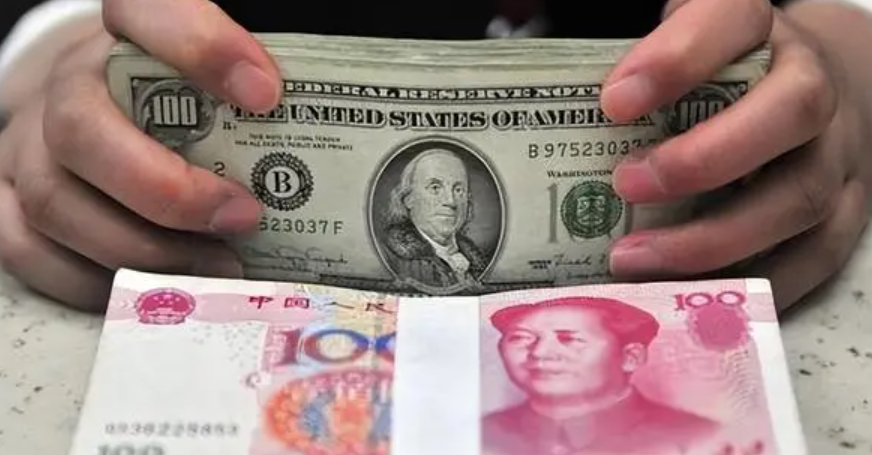
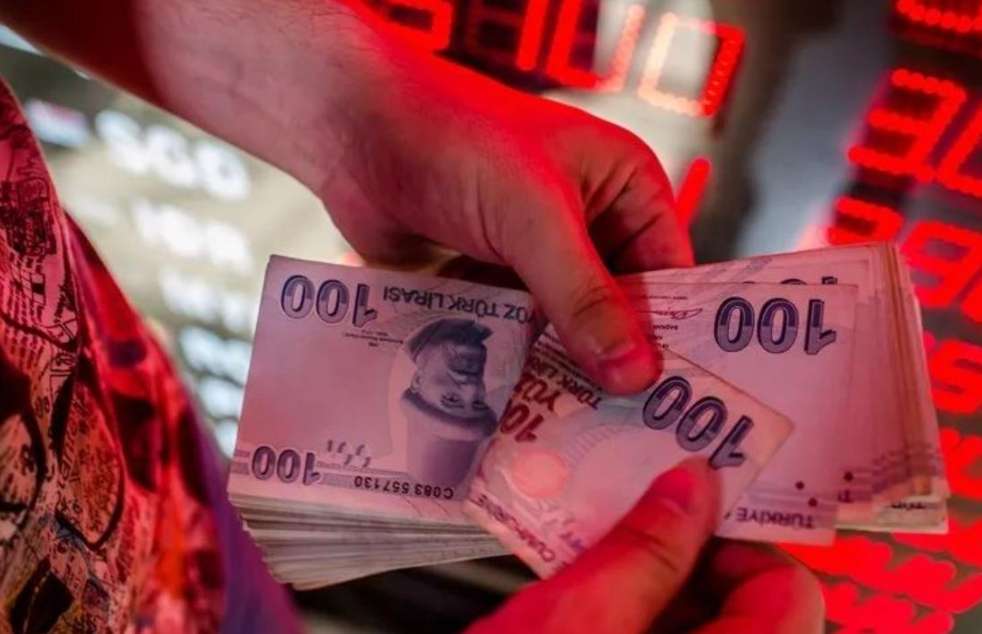
Let's cut to the chase. No, India is not going to stop physical currency anytime soon. If you're picturing a near future where the 500-rupee note is a museum relic, you've been reading too many sensational headlines. The reality is far more nuanced, messy, and interesting. As someone who's tracked India's financial evolution for over a decade, I've seen the hype cycles come and go. The 2016 demonetization was a seismic shock, but it didn't kill cash—it just forced a complicated relationship with it. The truth lies in the data, the ground reality, and the silent preferences of hundreds of millions of people.
What You'll Find in This Guide
The Current State: Cash is Still King (But Shares the Throne)
You can't talk about this without acknowledging India's digital payment miracle. UPI (Unified Payments Interface) is a global benchmark. In March 2024 alone, it processed over 13 billion transactions. It's fast, it's cheap, and in urban centers, it's everywhere. But here's the part that often gets glossed over in celebratory press releases: currency in circulation (CIC) is at an all-time high.
According to the Reserve Bank of India's (RBI) latest annual report, CIC as a percentage of GDP, which dipped post-demonetization, has steadily climbed back up. It's hovering around levels seen before 2016. Think about that. We have a world-class digital system growing exponentially, yet the demand for paper rupees is also growing. This isn't a contradiction; it's the defining characteristic of India's financial landscape.
The narrative of a "digital vs. cash" war is misleading. It's more of an awkward coexistence. A vegetable vendor might use a QR code for younger customers but insists on cash from older regulars. A family might book flights online but withdraw a thick wad of notes for a wedding. Cash isn't the enemy of digital; for millions, it's a parallel, trusted system.
A crucial nuance most miss: The growth in digital transactions isn't primarily replacing cash transactions; it's formalizing transactions that were already happening digitally (like bill payments) and capturing new, low-value spends that were often informal. The big-ticket, trust-based, or ceremonial uses of cash remain stubbornly resilient.
Why Physical Currency Isn't Going Anywhere: The Three Immovable Pillars
Anyone who predicts the imminent demise of the rupee note underestimates three fundamental pillars of the Indian economy.
1. The Digital Divide is a Chasm, Not a Crack
Talk of a cashless economy feels elitist when you step outside metro cities. Reliable internet is still a luxury in vast stretches of rural India. Smartphone penetration is high, but literacy—both general and digital—is a huge barrier. An app-based payment requires reading, typing, and understanding menus. Cash requires a hand and a pocket.
I've seen shopkeepers in small towns keep a dedicated "UPI phone" that's always plugged in because the connection is so patchy. When it fails, as it often does, the fallback is immediate and universal: cash. Until connectivity is as ubiquitous and reliable as air, cash remains the essential backup battery for the economy.
2. The Informal Economy Runs on Trust and Tangibility
Nearly 80% of India's workforce is in the informal sector. This is a world of daily wages, small-scale farming, and neighborhood shops. Here, cash isn't just a medium of exchange; it's a tool of immediate settlement, financial privacy, and tangible value. A day's wage in hand at sunset is real. A number on a phone screen, for someone without a robust bank relationship, can feel abstract.
There's also a deep-seated cultural and practical preference for cash in social transactions—festival gifts, temple donations, marriage expenses. Try paying a priest or a wedding caterer solely via Paytm, and you'll understand the social friction.
3. Cash is Ultimate Financial Inclusion (For Now)
Paradoxically, for all the talk of digital inclusion, cash is the most inclusive technology ever invented. It requires no bank account, no PIN, no battery, and no middleman. For the elderly, the technologically hesitant, and those in remote areas, cash is autonomy. The RBI itself has repeatedly emphasized a "citizen's choice" model, not a forced elimination. Pushing too hard against cash risks excluding the very people digital finance aims to include.
The Realistic Future: A Hybrid System, Not a Cashless Utopia
So, what's next? Not a sudden stop, but a gradual rebalancing. Think of it as a dimmer switch, not an on/off button.
The future is a hybrid ecosystem where digital payments become the default for a majority of routine transactions, but cash retains strong, defined niches. Government policy will likely focus on:
- Incentivizing digital, not penalizing cash: We'll see more rewards for digital use rather than taxes on cash withdrawals (a policy that backfires on the poor).
- Modernizing cash itself: This includes better security features, cleaner notes (a real pain point), and ensuring robust ATM networks even in rural areas.
- Targeted digitization: Focusing on specific high-cash use cases like government subsidy transfers (already largely digital) and large business-to-business payments.
The goal isn't a cashless society. It's a "less-cash" society with multiple, interoperable options. The death of cash is a Silicon Valley fantasy. India's path is about pragmatic coexistence.
Where Does the Digital Rupee Fit In?
The RBI's Central Bank Digital Currency (CBDC), the Digital Rupee (e₹), adds another layer to this puzzle. It's not a replacement for UPI or cash, but a new instrument with specific potential uses.
In the wholesale pilot (for interbank settlements), it could make large financial market operations more efficient. The retail version is trickier. Its potential appeal lies in areas where current digital payments have weaknesses:
- Offline functionality: If the e₹ can work without the internet for small payments, it could be a game-changer for rural areas.
- Programmable money: The government could ensure welfare payments are spent only on food or medicine, reducing leakage.
- Lower transaction costs for merchants: Unlike card networks, a CBDC could have near-zero merchant fees.
However, the Digital Rupee faces an uphill battle for mass adoption. UPI is free, instant, and already entrenched. Why would an average user switch? The RBI's own pilot reports show usage is still low. The e₹ might find its niche in specific institutional and cross-border payments long before it touches the daily life of a chai-wallah.